Voice Search Optimization: The Future of Content Marketing
Voice Search Optimization: The Future of Content Marketing
If you think about it, we’ve come a long way from the days when people typed long sentences into Google. Now, most of us just ask. “Hey Google, what’s the best restaurant nearby?” or “Alexa, remind me to call the client at 4.” It’s quick, natural, and somehow feels like we’re just talking to another person.
That small shift — from typing to talking — is changing everything about how content works online. Marketers who once obsessed over short keywords and backlinks are now learning how to make their content sound right. This new wave is called voice search optimization, and it’s slowly becoming one of the biggest forces shaping the future of content marketing.
The Everyday Power of Voice
Voice search isn’t just about technology — it’s about convenience. People speak faster than they type, and with smart devices everywhere, it just makes sense. Whether it’s asking for the weather, finding directions, or checking product reviews, voice assistants have become part of daily routines.
I’ve noticed this myself. When I’m cooking, I often ask, “Alexa, how many cups are in 500 ml?” It’s small, but it saves me time. Multiply that by millions of users doing the same thing every day — and you’ll see why businesses can’t ignore it anymore.
How Voice Search Is Different
When people type, they use short, sharp phrases like “best laptop 2025.” But when they talk, they ask full questions: “What’s the best laptop to buy this year?” That difference — the way we speak — changes how search engines interpret intent.
This means that marketers now have to create content that sounds natural and conversational. It’s not enough to stuff a page with keywords. You need to answer real questions in a tone that feels friendly and direct.
A few things really matter here:
- Long-tail keywords: Think “best hotels in Goa for couples” instead of just “Goa hotels.”
- Local focus: Many voice searches are local — “pharmacy near me,” “best gym open now.”
- Quick answers: People expect an instant, short response when they ask out loud.
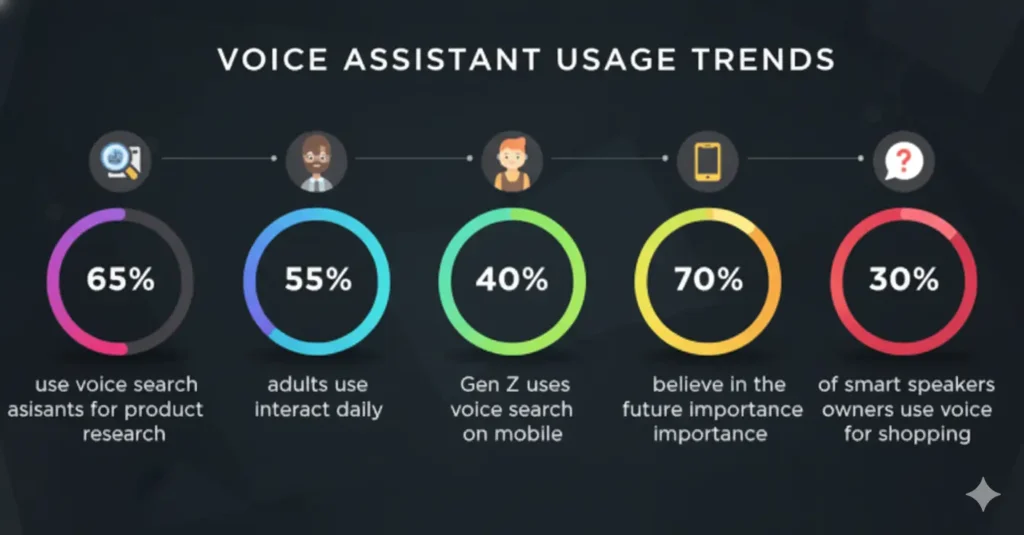
Writing for the Voice Era
If you want to optimize for voice, start by thinking like your audience. What would they ask? How would they say it?
Here’s a simple approach that actually works:
- Write in plain language. Forget complicated phrases or heavy words.
- Add question-based sections. For example, use “What is voice search optimization?” or “How can small businesses benefit from it?”
- Keep answers short and clear — ideally, something that could be read out loud in one breath.
- Focus on mobile users, since most voice searches happen on smartphones.
- Make sure your website loads fast and your information is up to date.
A small but important tip — structure your content neatly. When Google or Siri tries to answer a voice query, it often pulls from the top snippet. So, if your answer is organized and easy to read, you have a better chance of being chosen.
Why Voice Search Matters for Content Marketing
Voice search is changing how brands connect with people. Instead of focusing only on search visibility, marketers are starting to focus on conversation.
When someone asks a voice assistant about your business or product, they’re not reading dozens of links. They’re hearing one or two names — the most relevant ones. That’s why voice optimization is really about trust. You’re aiming to be that single, reliable voice a user listens to.
It also humanizes brands. When your content is conversational, it feels approachable. People don’t want to interact with corporate jargon; they want answers, advice, and sometimes, a bit of personality.
Looking Ahead
Honestly, voice tech still feels like it’s figuring itself out. Some days, Alexa understands exactly what I mean, and other days it plays a random song instead of setting a reminder. But you can tell where it’s heading. We’re slowly moving toward a world where these assistants won’t just answer what we ask — they’ll start guessing what we might need next.
Maybe one day you’ll say, “I’m starving,” and your phone will reply, “Want me to order that paneer wrap you usually get on Fridays?” That’s not a distant dream anymore; you can already see the early signs with how recommendations work on apps.
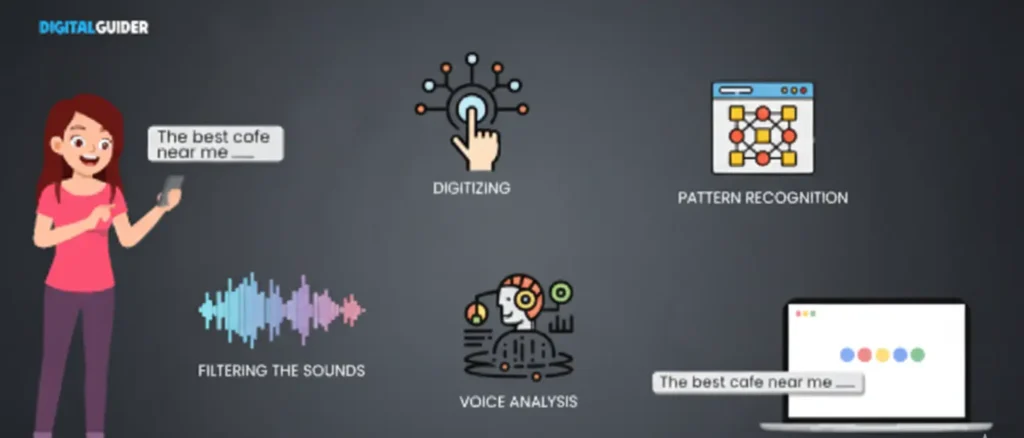
For marketers, that means content will have to feel even more personal — like it was written for one specific person, not a general audience. The closer you get to understanding what your audience actually wants to hear, the stronger your voice will be in this new search world. Brands that understand how to speak in a relatable, human way will stay ahead.
Why You Should Adapt Now
Ignoring voice search today is like ignoring mobile optimization ten years ago. It might seem optional, but soon it won’t be. The internet is changing — and fast.
People don’t just read anymore; they interact. They ask questions out loud, expect instant answers, and don’t really care about the technical side of it all — they just want things to work.
So if your website still feels like a pile of keywords glued together, it’s probably time to take a step back. Talk to your audience the way they talk in real life. Add a few simple FAQs that answer what they’d actually ask. Use everyday language. Forget the fancy jargon for once.
I’ve noticed something while testing this with a small business site — when you make your content sound human, people actually stay longer and engage more. It’s not a trick; it’s just common sense.
FAQs:
1. What’s voice search optimization?
it’s just making sure your website or content shows up when people talk to their phones or smart speakers. Like, I often ask my phone, “Hey Google, what’s a quick breakfast idea?” If your content is written in a natural way, it might just be the answer that comes back. Pretty cool, right?
2. How does it change the way we write stuff?
Honestly, it’s a bit of a shift. Before, it was all about keywords and SEO tricks. Now, you kinda have to write like you’re chatting with someone. Simple words, short sentences, maybe a question here or there. Makes things feel human instead of robotic.
3. Why are longer phrases better for voice search?
Because nobody talks like a robot. Nobody says “best laptops 2025.” They’ll say, “Hey, which laptop should I buy this year?” Voice assistants understand those full sentences better — and that’s what you need to aim for.
4. Does it even matter if I run a small shop or business?
Oh, absolutely. Most people use voice to find things nearby. “Coffee shop open now” or “bakery near me” — stuff like that. If your business shows up there, it can actually bring in real people walking through your door. Way better than just sitting online.
5. How do I make my content voice-friendly without overthinking it?
Keep it casual. Write how you’d explain something to a friend. Short sentences, plain words. Maybe a tiny FAQ. No need to stuff keywords like crazy. Basically, make it easy to read out loud.
6. Is this really the future of marketing?
Yeah, kind of. People love asking questions out loud — in the car, in the kitchen, wherever. Faster, easier, more natural. So if your brand isn’t ready for it, you’re missing out.
7. Where do I start if I’m just trying this for the first time?
Start small. Read your content out loud. If it sounds weird, fix it. Add answers to questions you actually hear people ask. Make it real. That’s the easiest way to make your content voice-ready without getting lost in technical stuff.
Wrapping Up
At the end of the day, voice search optimization isn’t some SEO hack or secret formula. It’s just about understanding how people live, talk, and look for things.
The brands that get this — that learn to fit naturally into those small, spoken moments — will be the ones people remember. Not because they ranked first, but because they connected.
At the end of the day, the future of content marketing isn’t silent. It speaks — literally. And the question for every marketer is simple: When your audience speaks, will your brand be heard?
For more insights on digital marketing strategies, check out our blog .
Comments (2)
Build Trust with Ethical Marketing in 2025 5 Power Full Ways
25 Oct 2025[…] you go, don’t miss our latest post on voice search optimization tips for 2025 — it’s packed with smart strategies to keep your brand ahead in the new search […]
Santo
11 Nov 2025Hello to all, it’s really a nnice for me to go to see this web page,
it includes precious Information.