Building Trust with Ethical & Sustainable Marketing
Building Trust with Ethical & Sustainable Marketing
If I had to sum up marketing today in one word, it’d be trust.
You can have the flashiest campaign or the biggest ad budget, but if people don’t trust you — it’s game over.
That’s why ethical and sustainable marketing isn’t just another buzzword. It’s real. It’s about showing people who you are when no one’s looking. Not the polished version, but the honest one.
What “Ethical” and “Sustainable” Marketing Actually Mean
Marketers love tossing around big terms, but let’s keep it simple.
Ethical marketing is just being straight with people. No gimmicks, no made-up scarcity tricks, no exaggeration. Just truth.
Sustainable marketing is about thinking long-term — not just about profits next quarter.
It’s asking: Are our products made responsibly? Is our packaging wasteful? Can we grow without hurting people or the planet?
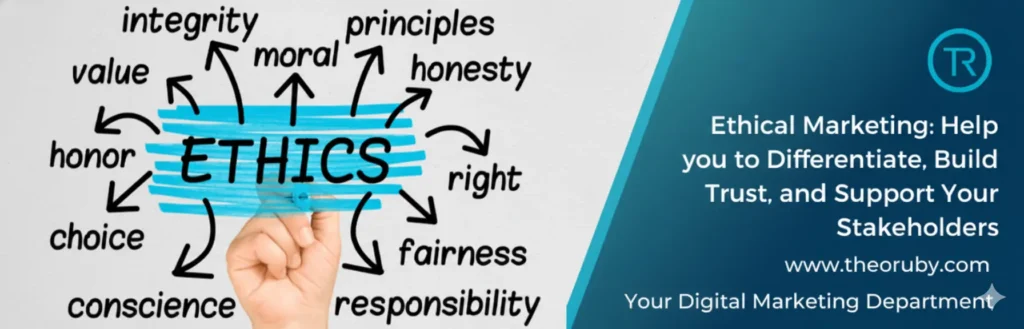
When you blend those two — ethics and sustainability — something shifts. You stop playing the short game and start building actual relationships.
Why Trust Is Everything
People are sharper than ever. They’ve seen enough clickbait and “too good to be true” promises.
They can tell when a brand’s pretending.
What they really want is honesty. They want to see that you mean what you say — even when things aren’t perfect.
And once you’ve earned that trust? Everything changes.
Your customers become your marketers. They’ll recommend you, defend you, and stick with you even when cheaper options show up.
At the end of the day, trust is the best kind of advertising there is.
The Core Values Behind It
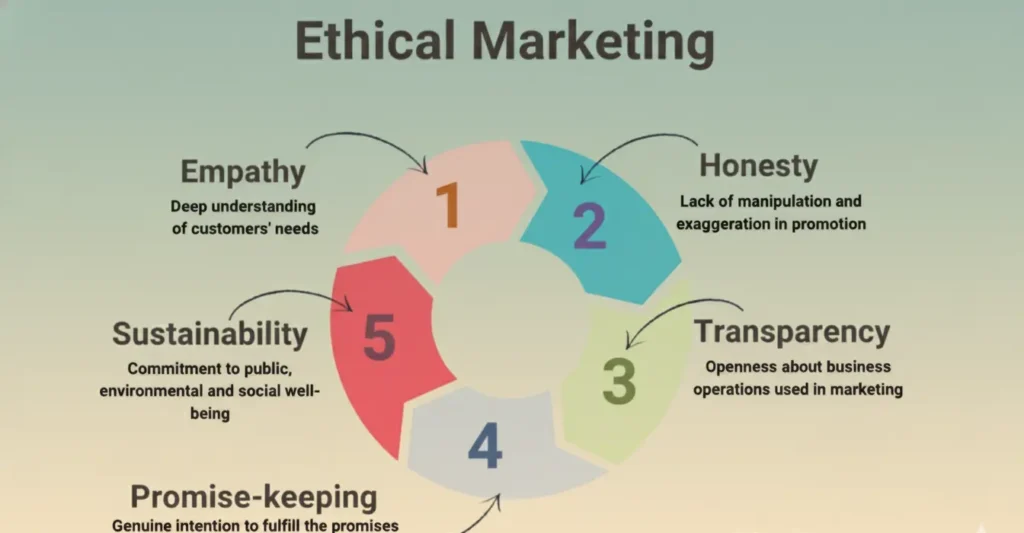
You can’t fake ethics. Either you live it or you don’t. The brands that get it right all share a few common traits:
Transparency: Be upfront about your products. If something’s not perfect, say so. People appreciate honesty more than polish.
Authenticity: Don’t sound like every other brand. Be yourself — quirks and all.
Accountability: Everyone messes up. What matters is how you handle it.
Purpose: Know why your brand exists beyond money. That reason should echo through your marketing.
Consistency: You can’t preach ethics once and forget about it. It’s a daily practice.
Brands That Nailed It
Patagonia deserves the top mention. Their message literally says, “Don’t buy this jacket unless you need it.” That takes guts. But it works — because they live by it. They repair, recycle, and reuse.
The Body Shop was pushing cruelty-free beauty long before it became cool. Their marketing wasn’t about selling more — it was about doing what’s right.
And closer to home, Tata Group. Their ads are calm, thoughtful, and humble. You never see them trying too hard — and that quiet confidence is exactly why people trust them.
How to Turn Ethics into Everyday Marketing
Here’s the mistake most brands make: they treat ethics like a campaign idea.
But true ethical marketing isn’t a one-time effort — it’s a culture.
1. Start from Within
If your own team doesn’t believe in your values, your audience never will. Build belief internally first.
2. Say Only What’s True
Don’t promise what you can’t prove. Overselling might win short-term attention but long-term distrust.
3. Tell Real Stories
People connect to stories — especially honest ones. Show your process, talk about challenges, share small wins.
4. Educate Instead of Pushing
Stop trying to persuade people. Help them learn something valuable instead. When you teach, you earn respect naturally.
5. Be Honest About Progress
Sustainability is a journey, not a finish line. Share what’s working and what still needs work.
6. Collaborate with People Who Care
Team up with others who share your values. It makes your message stronger and more believable.
Why It’s Worth It
Doing things ethically might feel slower or more expensive at first — but the payoff is huge.
- Customers stay loyal because they believe in you.
- Your reputation builds itself.
- Employees feel proud of where they work.
- Even investors notice because ethics equals long-term stability.
You might not see overnight results, but what you build will last.
The Tough Parts (That People Rarely Admit)
Let’s be honest — it’s not always easy. Ethical marketing takes patience.
Sometimes suppliers cost more. Sometimes transparency stings.
And yes, sometimes your audience will call you out — but that’s part of growth.
You don’t need to be perfect. Just be real. Every honest step adds another layer of trust.
The Future of Marketing
Things are shifting. People no longer care only about what you sell — they care why and how.
Modern consumers are conscious, curious, and vocal. The brands that win tomorrow are the ones that stay human today.
Ethical and sustainable marketing isn’t a “trend.” It’s just smart, responsible business.
Because when your values line up with your message, people don’t just buy from you —
they believe in you.
And once they believe, you’ve already won.
FAQs
Q1. So, what does “ethical marketing” really mean?
Honestly, it’s just about being upfront. No gimmicks, no twisting words, no fake “limited offers.” It’s when you sell something in a way that feels honest — something you’d feel proud to explain to your customers face-to-face.
Q2. Is sustainable marketing just another buzzword?
Not really. It’s more about how a brand chooses to work — the materials it uses, the suppliers it picks, and how it treats people and the planet. It’s thinking long-term, not just about next quarter’s sales chart.
Q3. Why does everyone keep saying trust matters so much in marketing?
Because it’s what keeps customers coming back. Anyone can make a fancy ad, but trust is what makes people believe you. Once you have that, you don’t need to shout — your customers do the talking for you.
Q4. Can small brands even afford to be ethical?
They can — and some of the best ones already are. You don’t need to launch a massive campaign. Just be real about what you do, support fair practices, and skip the overpromising. People can tell when a brand means what it says.
Q5. Any real examples of brands doing this right?
Definitely. Patagonia’s a classic — they tell customers not to buy if they don’t need it. The Body Shop has been about fair trade and cruelty-free beauty for decades. And closer to home, Tata’s quiet honesty says it all.
Q6. Does ethical marketing actually help sales?
It might not give you overnight results, but it builds loyalty that lasts years. When people feel they can trust you, price stops being their main reason to buy. That’s when business starts to grow naturally.
Q7. What’s the toughest part about staying ethical?
Being transparent when things go wrong. It’s tempting to hide flaws, but people respect honesty. A sincere “we’re working on it” does more good than a perfect-looking lie.
Q8. Where should a brand start if it wants to market ethically?
Start with small things. Be honest in your messaging, choose better materials when you can, and make sure your actions match your words. You don’t have to be perfect — just consistent and genuine.
Before you go, don’t miss our latest post on voice search optimization tips for 2025 — it’s packed with smart strategies to keep your brand ahead in the new search era.
Comment (1)
10 Powerful Social Commerce Tips to Boost Online Sales
28 Oct 2025[…] Want to learn how ethical marketing builds long-term customer trust? Read this next: Building Trust with Ethical & Sustainable Marketing […]